The benefits of biophilic design are abundant, and so are the opportunities to incorporate this concept in your home or workplace.
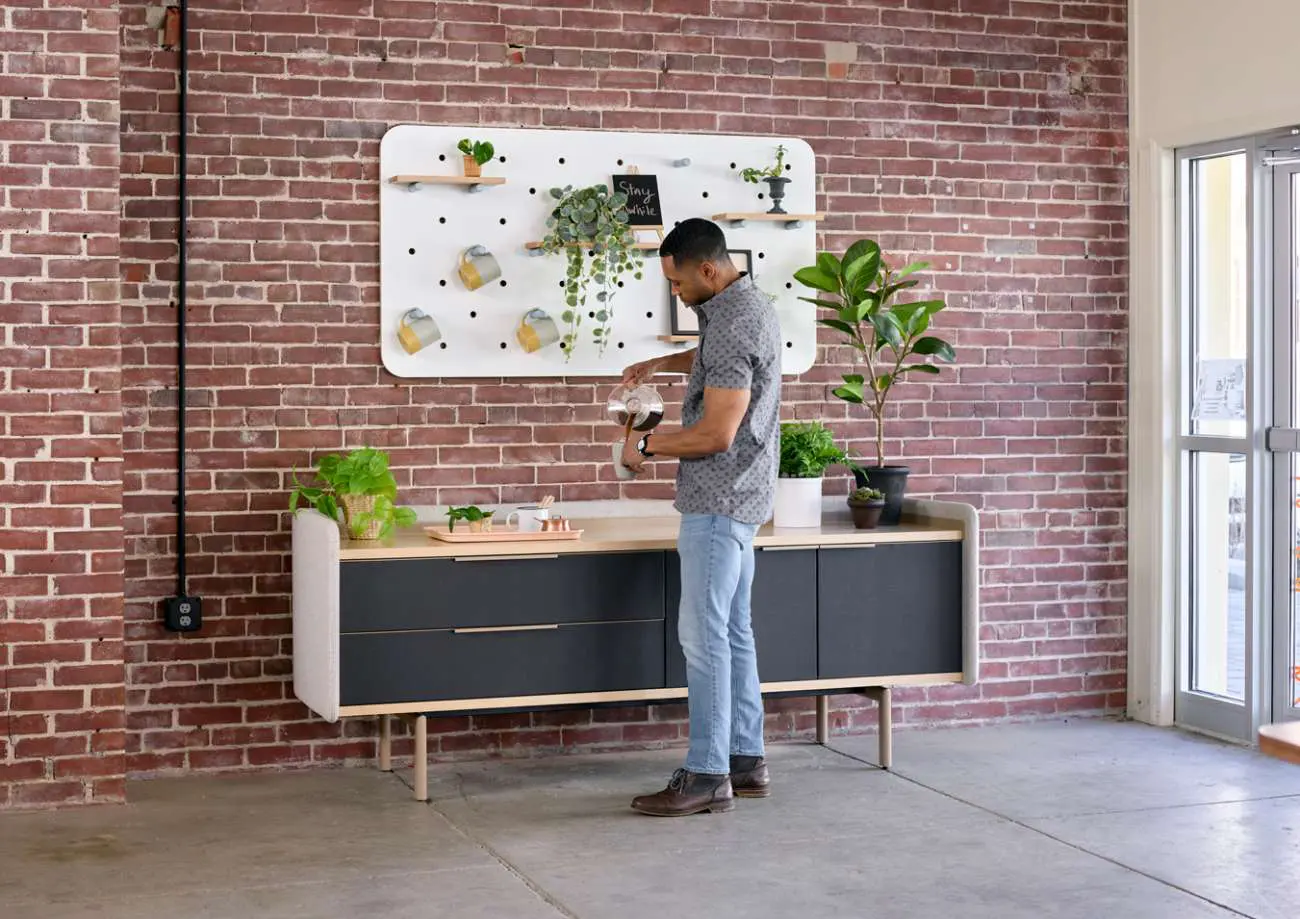
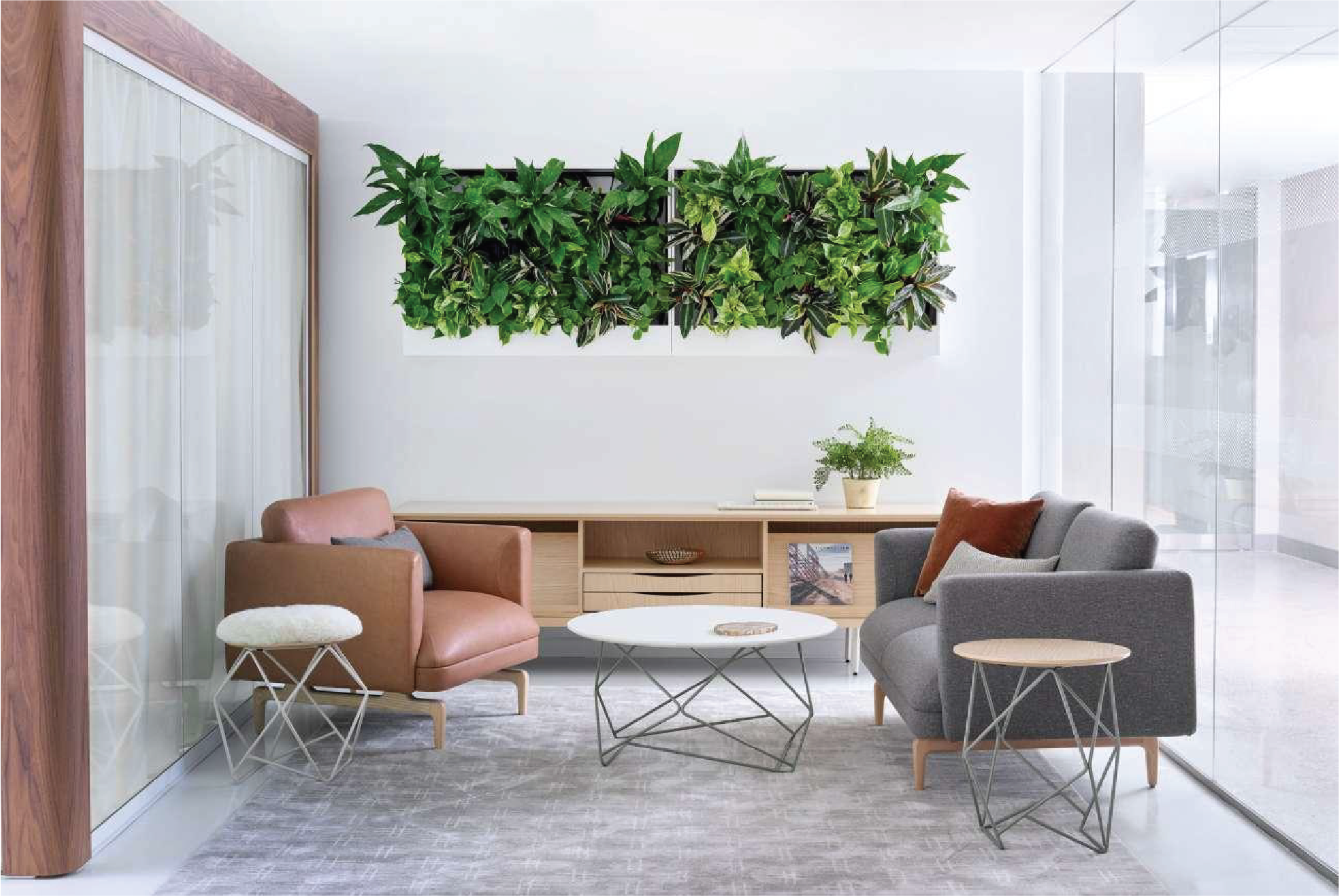
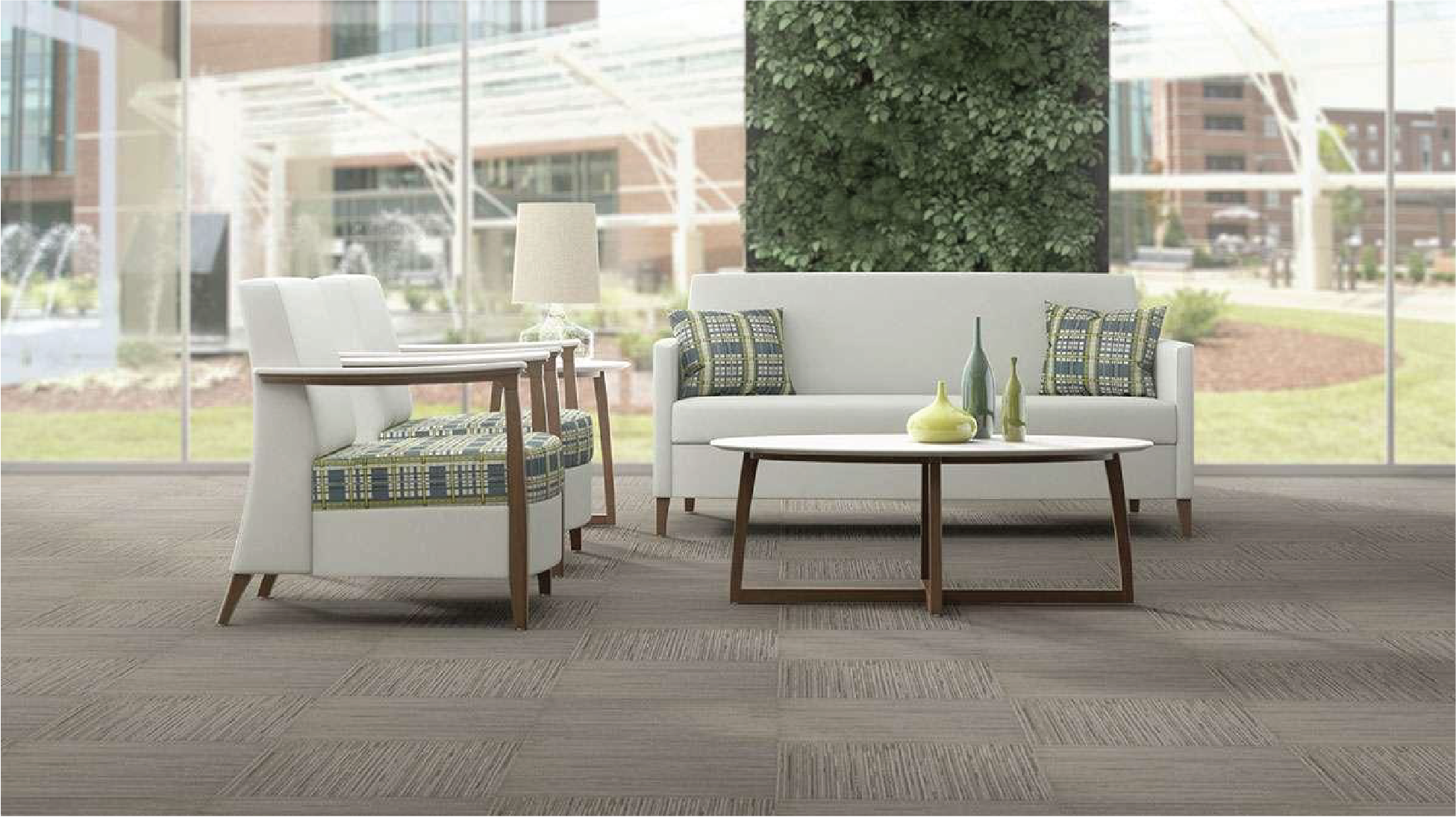
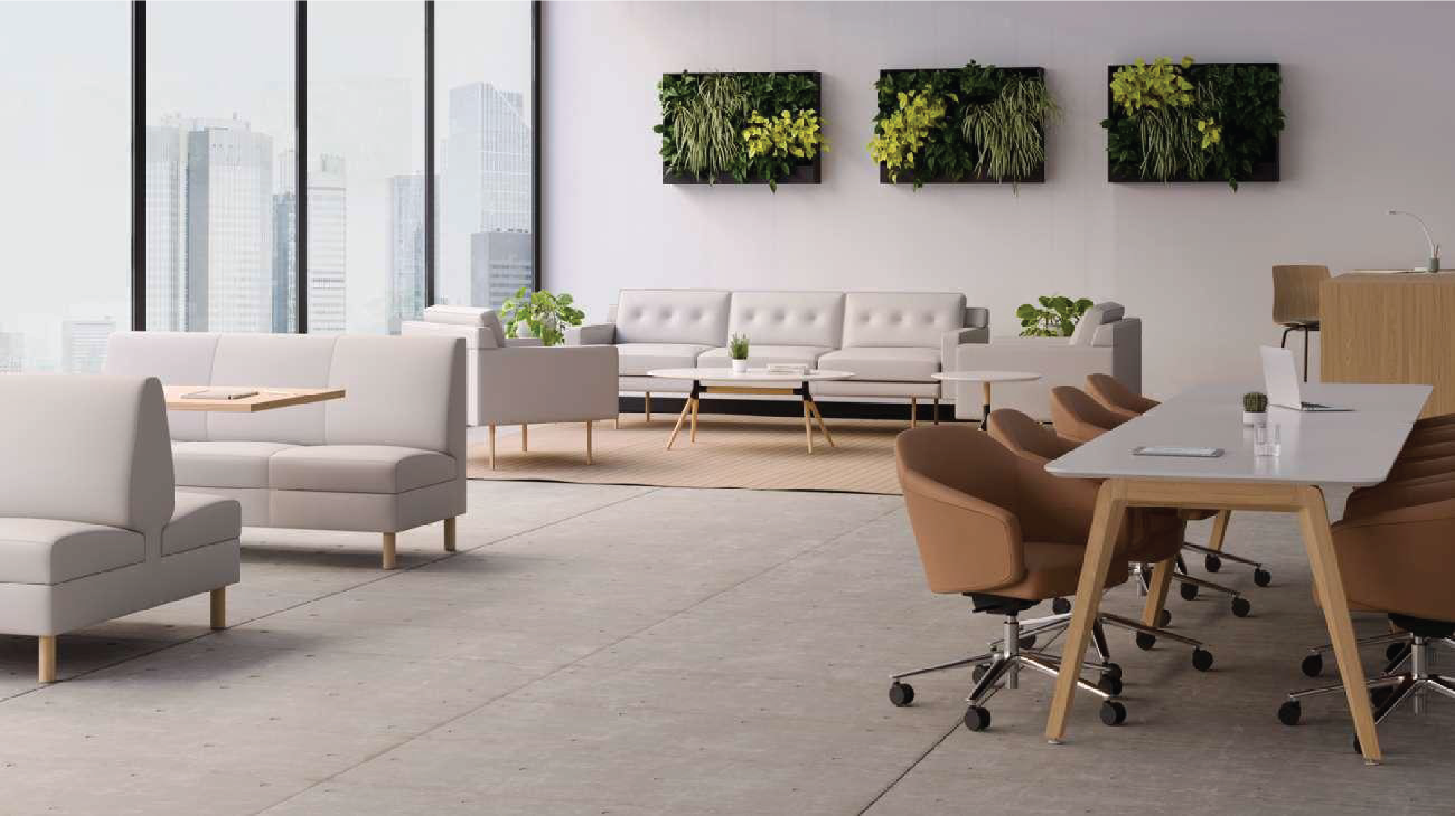
There are three categories under the canopy of biophilic design. The first, Nature in the Space, refers to the literal presence of nature in the form of plants, animals, water, scents, light, and other natural elements. Popular biophilic products on the market today, such as potted plants, live plant walls, and dormant moss walls, can transform an office space into an oasis.
And you don’t have to be a certified #plantmom to bring biophilic design to your home or workplace; faux plants can achieve similar results to live plants by integrating color or texture into the space.
The second category of biophilic design is Natural Analogues. This refers to the representational presence of natural materials, patterns, objects, colors, and shapes. Designers such as Herman Miller and OFS have found ways to mimic natural elements in the built environment, utilizing natural color schemes, embracing both curves and rough edges, and integrating natural wood in several of their pieces.
The final category of biophilic design, Nature of the Space, harnesses our physiological response to space planning and architectural design. Reproducing the layout of natural environments–like building ample windows to provide expansive views, or offering a dark and quiet room to mimic a cave–can evoke similar feelings to those we experience while exploring nature.
The resurgence of biophilic design is one unexpected outcome of the COVID-19 pandemic that we hope continues for years to come. Whether you want to incorporate a few organic elements or build an urban oasis, InterOffice can help you plant the seeds of biophilia in your home or workspace. Visit our showrooms or website to learn more.